Understanding Monopoly: The Game and Its Real-World Implications
In both economics and entertainment, the term 'monopoly' carries significant weight. While it conjures images of vast corporate empires dominating entire markets, it also resonates nostalgically with families and friends huddled around a board game. This article delves into the multifaceted concept of monopoly, with a particular focus on the keyword "21jogo PH Login" in an SEO-friendly context. Let's explore how Monopoly, the metaphoric term for market domination, intersects with the digital landscape and casual gaming culture.
The Economic Concept of Monopoly
In economic terms, a monopoly exists when a single company or entity dominates a particular market or sector, wielding significant power over pricing, production, and supply. This dominance often leads to inefficiencies and higher prices for consumers, as the monopolistic firm lacks competition to drive innovation or cost-cutting measures.
Monopolies can arise naturally, through efficiencies and scale that a single company achieves over its competitors. They can also be created through government support or through strategic acquisitions and competitive practices that edge out rivals. Historically, industries like utilities, telecommunications, and railroads have seen natural monopolies due to the high barriers to entry and economies of scale.
The Role of Regulation
To curb the negative impacts of monopolies, many governments have established regulatory bodies tasked with maintaining market competition. Antitrust laws have been designed to prevent the formation of monopolies and promote competitive markets. However, the line between a healthy market leader and a problematic monopoly can be thin and subject to interpretation.
Monopoly in the Gaming World
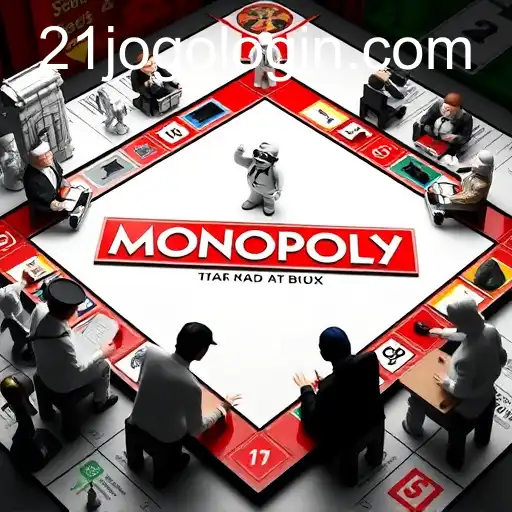
In contrast to its economic implications, the Monopoly board game has been a source of entertainment for decades. Created in the early 20th century, the game simulates property trading, economic management, and strategic investment, offering players a taste of what monopolistic ownership feels like—albeit in a competitive and playful context.
Modern digital transformation has propelled Monopoly into the online gaming sphere. Platforms and casual gaming sites, sometimes requiring specific logins such as "21jogo PH Login," offer digital versions of this classic game. These online platforms have made gaming more accessible, connecting players worldwide and adapting the classic board game to fit contemporary lifestyles.
The Appeal of Online Monopoly
Online versions of Monopoly attract players with their convenience and availability. Through platforms like "21jogo PH," users can log in and play without the need for physical boards or pieces, making it easier to enjoy the game anytime, anywhere. This digital transformation has not diminished the classic appeal of Monopoly; instead, it has expanded its reach, inviting new generations to experience its strategic depth.
The Digital Age: Transforming Classic Games and Economies
The transition of Monopoly into digital formats mirrors broader trends in society where digital platforms dominate traditional industries. Just as Monopoly boards have made way for apps, traditional markets are witnessing increased competition from digital-only platforms. This transformation is particularly palpable in sectors such as retail, entertainment, and even banking.
Digital platforms often function with monopolistic tendencies by swiftly capturing large user bases, leveraging network effects, and establishing competitive moats. While not all wield the restrictive power of traditional monopolies, the scale and influence of digital giants continue to prompt new discussions around regulation and competition policy in the digital economy.
Implications of Digital Monopoly
As digital companies capture large segments of data, customer loyalty, and market presence, regulatory bodies are under pressure to update frameworks that ensure healthy competition. These issues challenge the traditional understanding of monopoly power and raise questions about user privacy, data control, and market entry barriers.
Moreover, the online gaming industry, exemplified by platforms that host games like Monopoly, also grapples with similar dynamics. Ensuring fair play, preventing cheating, and maintaining equitable access are concerns that digital game providers must address, echoing the larger themes of fairness and competition in digital markets.
Conclusion
Monopoly, in both the economic realm and the realm of gaming, is a dynamic concept with ever-evolving implications. As users log in to platforms like "21jogo PH" to enjoy their favorite games, the lessons from the board game—strategic planning, negotiation, and market control—continue to resonate in larger economic and digital contexts. Understanding the balance between competition and dominance, in any form, helps navigate this complex landscape.
Whether viewed through the perspective of corporate overreach or the nostalgia of a family game night, Monopoly remains a relevant lens through which we can examine the shifting sands of economic power and consumer engagement in the digital age.